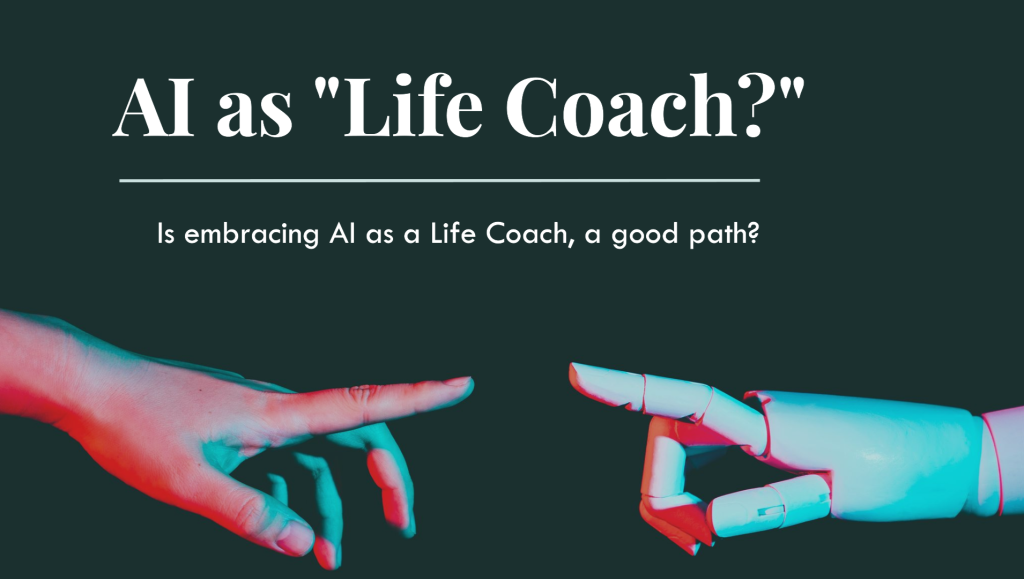
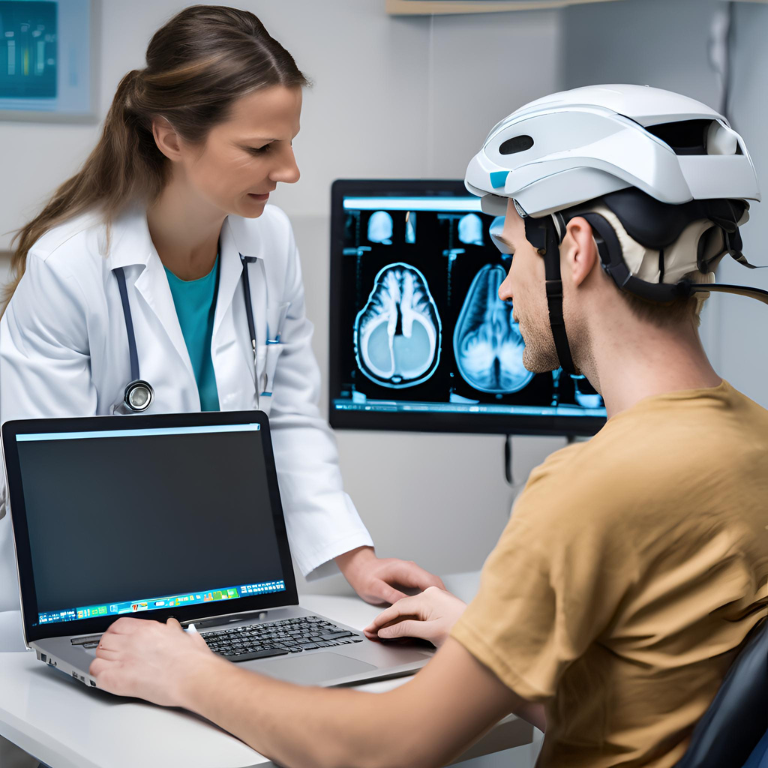
Robots already participate in surgery, is mental surgery a step too far?
As AI rapidly evolves, one of its most transformative potentials lies in its capacity to simulate social interactions within complex environments. This is especially relevant in the contexts of employment and family, where the boundaries of work-life balance, productivity, and personal well-being intersect more than ever. The new frontier of AI-driven social simulation offers unparalleled insights into these dynamics, driving the creation of entirely new types of jobs in both workplace and domestic settings—roles that were unimaginable just a few years ago.
Thought starters…
Wearing Facebook Raybans exposes AI into our neural pathways. The things we look at, how we move our heads, what we see!
https://www.meta.com/gb/smart-glasses
A dataset thats one dataset too far?
From predictive family and work-life balance consultancy to family-supportive remote work coordination, these AI-powered jobs harness complex social and psychological data to anticipate challenges and unlock opportunities for individuals, families, and businesses alike. The following 30 thought-starters envision how AI will catalyze a quantum leap in understanding the connections between our personal and professional lives, fostering roles that enable productivity, well-being, and resilience at both work and home.
In this article, we delve into 30 pioneering job concepts enabled by AI that will shape the future of work and family life. These roles don’t just meet our present needs—they respond to the unique challenges of an integrated life, allowing AI to uncover unseen synergies between family responsibilities and career ambitions. From helping parents align career goals with family priorities to improving team dynamics through personality compatibility modeling, the following insights reveal a job market redefined by AI’s ability to simulate and analyze our most intricate social connections.
Below, I explore 10 potential “roles for AI” that beg important questions about AI-human bridges? Will AIs create create those bridges between home and work that (potentially) empower people to thrive, in both arenas, like never before?
- Cross-Context Productivity Monitors AI simulations could track productivity across both work and home environments, creating jobs for productivity monitors who provide tailored recommendations for work-home balance, adapting daily routines to maximize effectiveness in both contexts.
- Holistic Career-Family Impact Forecasters AI could simulate the long-term impacts of career choices on family life and vice versa, leading to roles for forecasters who help individuals and organizations make decisions that consider the well-being and advancement of both professional and personal lives.
- Integrated Stress Reduction Coaches With AI simulating stress across home and work, new roles could emerge for “Integrated Stress Coaches,” who provide holistic support to employees by implementing work policies and domestic strategies to reduce stress in both environments.
- Family-Supportive Remote Work Coordinators AI can model family-specific remote work needs, creating opportunities for remote work coordinators who liaise with employers to optimize schedules, tools, and environments for employees juggling family responsibilities with remote work.
- Career and Family Balance Economists Social simulations could evaluate how family dynamics impact economic decisions around career paths, spawning roles for economists who design career paths considering familial economic stability and maximizing financial wellness for entire households.
- Dynamic Caregiver Scheduling Advisors AI simulations of caregiving responsibilities across families and workplaces could create jobs for advisors who help working caregivers balance their schedules, aiding employers in supporting employees with caregiving duties while preserving productivity.
- Family-Wide Work Travel Impact Analysts With AI modeling family responses to work travel, new roles could emerge for analysts who evaluate the impacts of frequent travel on family well-being, helping organizations implement family-supportive travel policies that reduce employee burnout.
- Personalized Skill Development Integrators AI could analyze skill development needs across work and family responsibilities, creating roles for “Skill Integrators” who help employees acquire skills that benefit both their job and their family roles, blending professional growth with family enrichment.
- Workplace Resilience Planners for Family Crises AI insights into the effects of family crises on workplace performance could create roles for resilience planners who work with organizations to develop policies that support employees during personal crises, ensuring minimal disruption to productivity.
- Cross-Context Well-being Advocates Social simulation of well-being across both domains could lead to jobs for advocates who design programs addressing well-being holistically, merging workplace support with family-focused wellness initiatives to boost long-term employee satisfaction.
Bringing this back down to terra firma…here are some human-AI bridges already being built.
here are three real-world examples that align closely with high-impact items among the 30 ideas:
- Proactive Burnout and Stress Management Using AI in the Workplace AI’s potential to preempt burnout is being explored by companies like Microsoft through their Viva Insights platform, launched in 2023. Viva leverages AI to simulate and monitor work patterns that may lead to employee burnout, suggesting actionable insights to managers on reducing stress factors. It provides a model for real-time burnout detection and personalized recommendations, significantly boosting employee well-being and productivity by managing stress before it manifests. Citation: Microsoft Corporation. (2023). “Empowering Managers to Improve Employee Well-being with Microsoft Viva Insights.” Microsoft.
- Dynamic Caregiver Scheduling Solutions Inspired by AI Models Care.com has expanded its platform’s offerings by integrating AI-driven scheduling tools tailored for working caregivers. Introduced in late 2023, the solution provides personalized support to employees balancing work with caregiving duties, allowing companies to offer customized schedules based on each caregiver’s unique needs. This model has been shown to help businesses retain talent while supporting work-life balance, particularly in industries facing workforce shortages. Citation: Care.com. (2023). “AI Innovations to Support Working Caregivers: A New Approach to Workplace Flexibility.” Care.com.
- Organizational Workflow Efficiency through AI-Driven Social Simulation Google has implemented advanced social simulation techniques within Google Workspace to analyze and optimize team workflows. The “AI Workflow Optimizer” module, launched in 2024, simulates team dynamics, identifying bottlenecks, workflow inefficiencies, and potential friction points. Through predictive insights, it suggests improvements to streamline workflows, reduce redundancies, and enhance overall team productivity, aligning with insights gained from team compatibility and social simulation models. Citation: Google LLC. (2024). “Enhancing Team Performance with AI-Driven Workflow Optimization in Google Workspace.” Google.



Such an informative and well-written article! I appreciate how
this site shares such helpful insights.
Sorry, I missed your comment
Thank you 🙂
Writing on AI is like writing in a new kind of ink.
Are you in the field?
What field are you in?
Kind regards
Jonathan